Choosing Lawrenceville criminal defense lawyer for Professional Legal Guidance
Choosing Lawrenceville criminal defense lawyer for Professional Legal Guidance
Blog Article
Dedicated Defense Criminal Attorney: Safeguarding Your Rights
A committed criminal defense attorney serves a essential part in the legal landscape. They navigate complex systems and protect personal liberties within challenging circumstances. Their expertise enables for a thorough examination of proof and the creation of targeted defense strategies. However, understanding the full impact of their work demands a deeper examination at the connection between the attorney and the client, as well as the tactics utilized. The consequences of this collaboration can be profound.
Why You Must Obtain a Criminal Lawyer When Dealing With Charges
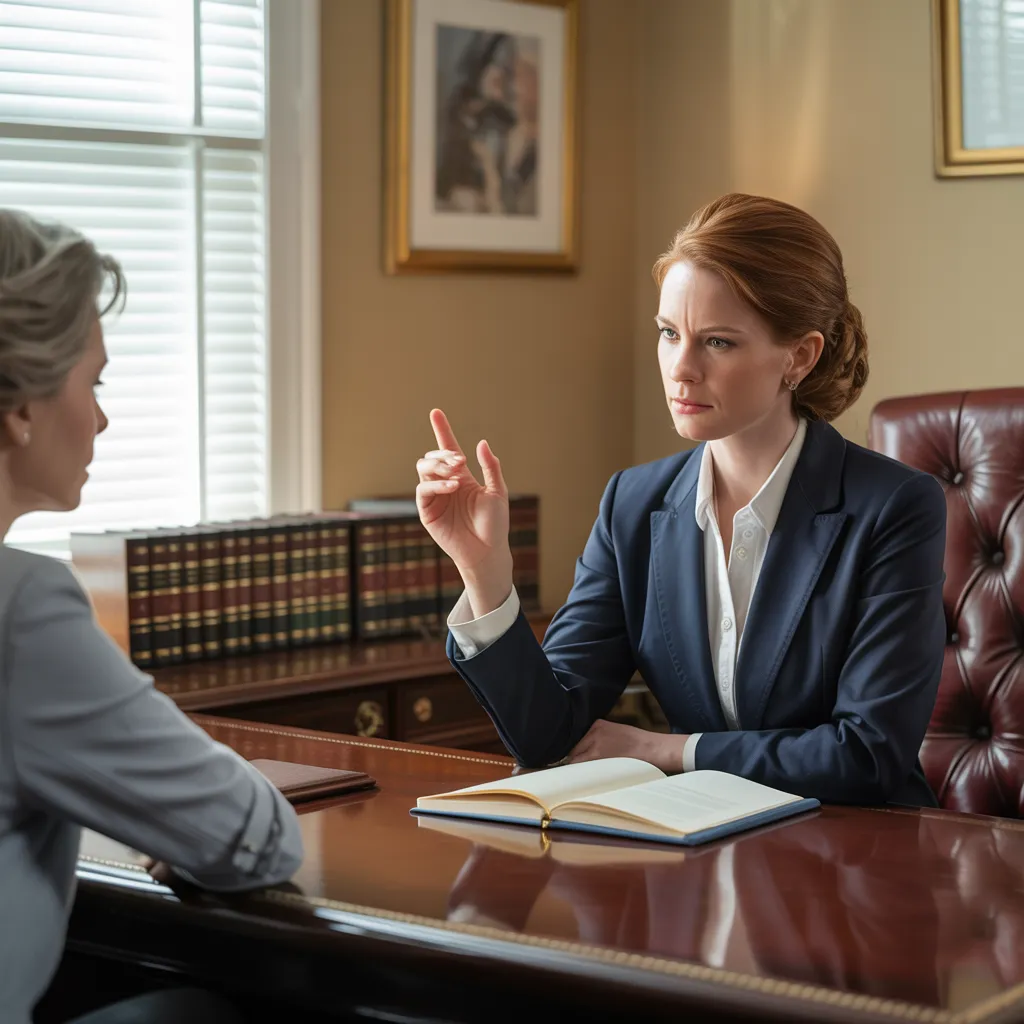
Confronting criminal charges can be an exhausting ordeal, and having a devoted defense counsel is vital. These professionals demonstrate the proficiency to maneuver through the complex justice system, ensuring that defendants receive the best possible legal support. They grasp the nuances of penal law and are proficient in identifying applicable defenses that may not be apparent to those without courtroom experience.
Moreover, a criminal lawyer can examine the evidence against the accused, challenge whether it can be used, and negotiate plea agreements when suitable. Their involvement can greatly impact the result of a legal proceeding, possibly reducing penalties or even achieving acquittals.
Moreover, acquiring an attorney supplies emotional support during a chaotic period, helping individuals to focus on their lives while knowing their rights are maintained. To wrap up, a devoted criminal defense attorney is not simply an advantage; they are a critical element in shielding one's future when facing legal challenges.
The Weight of Strong Client-Attorney Communication
How important is effective communication between a defendant and their attorney in a criminal matter? This relationship is essential to the defense strategy. A clear line of communication ensures that the attorney fully understands the client's circumstances, concerns, and goals. Clients must give precise information about their case, while lawyers must communicate legal options and likely results in an clear manner.
Additionally, transparent communication establishes trust, allowing clients to feel comfortable sharing sensitive information. This trust is essential, as it enables attorneys to establish a robust legal approach tailored to the client's requirements. Regular updates on case progress and hearing schedules also keep clients informed and participating in their legal representation.
Ultimately, effective communication not only bolsters the attorney-client partnership but also greatly impacts the overall success of the defense. The weight of this dynamic cannot be understated, as it provides the cornerstone for traversing the difficulties of the legal system.
Strong Defense Frameworks for Criminal Cases
Creating a robust defense strategy in criminal proceedings necessitates a deep knowledge of both the legal landscape and the specifics of each case. Defense attorneys often begin by analyzing the evidence against the defendant, examining police reports, witness statements, and forensic data. This critical assessment allows them to uncover inconsistencies or weaknesses in the prosecution's case.
Additionally, lawyers may apply several defense methods, including establishing alibis, disputing the legality of evidence gathered during arrests, or asserting affirmative defenses such as self-defense. Consulting with professional witnesses can further strengthen the defense by giving specialized insights to challenge the prosecution's claims.
In addition, understanding the potential biases of jurors and the trial dynamics can aid in formulating persuasive arguments. In conclusion, a well-rounded legal approach merges careful preparation, strategic reasoning, and a profound grasp of the law, making sure that the defendant's rights are vigorously protected over the course of the legal process.
Finding the Ideal Defense Lawyer
Selecting the ideal criminal defense attorney can greatly affect the final result of a case. An experienced attorney should possess necessary background, especially in handling cases like this one. Potential clients are encouraged to review credentials, including education and past case results, to judge effectiveness.
Moreover, personal rapport is critical; an attorney must communicate effectively and understand the client's concerns. During consultations, individuals should review the attorney's approach to case handling and strategy.
Additionally, considering the attorney's credibility within the legal community can give insights into their reliability and expertise. Clients should inquire about fees beforehand, ensuring transparency about costs and payment structures.
In the final analysis, determining the ideal criminal defense attorney encompasses thorough research, straightforward dialogue, and faith, establishing the foundation for a potent defense strategy fashioned for the unusual circumstances of the case.
What to Look For During Your Defense
What can clients expect during their legal defense? The journey often begins with an first meeting, where the attorney collects key details about the case. After this, individuals can expect regular communication concerning the progress of their legal representation. This may include information on court dates, plea negotiations, and potential trial strategies.
Clients will also take part in discussions about evidence and witness testimonies, helping to shape the defense's approach. Furthermore, they will likely connected information participate in preparation sessions, which may include mock trials or examining testimony.
As the case develops, clients must be equipped for emotional changes, given the complexities of the legal system. Throughout this process, a dedicated attorney aims to deliver assistance, ensuring that individuals understand their rights and obligations. Ultimately, individuals can look forward to a cooperative engagement, where their attorney works carefully to safeguard their interests at every stage of the case.
How a Strong Defensive Strategy Affects Results
A robust defense can markedly affect the outcomes of a criminal prosecution. By employing effective evidence examination strategies, lawyers can uncover weaknesses in the prosecution's case. Furthermore, a robust defense often leads to advantageous plea bargaining opportunities, potentially reducing penalties or charges.
Examining Evidence Techniques
Powerful evidence analysis techniques remain fundamental in deciding the ultimate results of defense against criminal charges cases. A zealous defense counsel rigorously analyzes all available evidence, detecting inconsistencies and deficiencies in the government's case. This meticulous analysis can expose exculpatory materials or procedural breaches that could lead to charges being dropped or mitigated charges. By implementing techniques including forensic investigation, witness examination, and expert testimony, legal advocates can undermine the dependability of the evidence submitted. Furthermore, shrewd questioning techniques during cross-examination phases can generate reasonable doubt among members of the jury. Ultimately, an expertly conducted evidence examination reinforces the defense and profoundly influences the overall trajectory of the case, regularly yielding superior outcomes for the accused.
Plea Bargaining Pros
Plea bargaining serves as a crucial aspect of the criminal justice system, often influenced by the quality of the defense. A well-prepared defense attorney can greatly affect plea negotiations, leveraging their understanding of the law and case specifics to secure beneficial outcomes. By presenting convincing arguments and evidence, a robust defense can convince prosecutors to offer mitigated charges or reduced penalties. Additionally, seasoned attorneys can identify weaknesses in the prosecution's case, further enhancing their bargaining position. This position of strength not only facilitates a quicker resolution but also limits the uncertainty of a trial. Ultimately, effective plea bargaining can lead to more favorable results for defendants, emphasizing the vital function of a dedicated criminal defense attorney in protecting their rights.
Commonly Asked Questions
How Much Does Hiring a Criminal Defense Lawyer Typically Cost?
A criminal defense attorney usually charges between $2,000 and $10,000, according to the complexity of the case and location. Some attorneys may bill hourly rates, while others might offer fixed fees or retainer agreements.
What Attributes Should I Search for in a Defense Lawyer?
When identifying a criminal defense attorney, individuals should review qualifications such as suitable background, a successful history in equivalent matters, understanding of legislation, presentation skills, and excellent client ratings to guarantee adequate legal support.
Is It Possible to Change My Legal Representative During the Case?
Certainly, a party can replace their attorney during a case. However, it may affect the case's schedule and progress. It's vital to consider the grounds for the replacement and consult with potential new attorneys.
What Should I Do if I Can't Afford an Lawyer?
If unable to pay for an attorney, individuals should investigate options like public defenders, legal aid organizations, or free legal services. Investigating local support services can offer required legal support without accumulating substantial costs.
How Extended of a Duration Will My Criminal Proceeding Require to Finalize?
The length of a criminal case varies widely, typically ranging from a few months to several years, depending on factors like intricacy, court schedules, and plea negotiations, eventually affecting the timeline for resolution.
Report this page